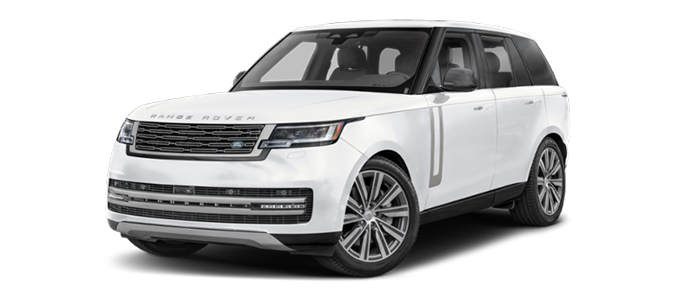



In the majority of Land Rover models, for oil changes along with a filter replacement is suggested every 10,000-15,000 miles or twice per year, or whichever is first. But, if you regularly operate in harsh situations (heavy off-road driving, short excursions, or in dusty areas), it makes sense to reduce that time interval by every 7,500 to 10,000 kilometers.
The Luxury Choice: Why Land Rover Owners Trust Land Rover Car Repair
09 Dec 2025
Table of Contents
- The Distinctive World of Land Rover Ownership
- Unmatched Expertise: The Core of Land Rover Repair Trust
- Precision Diagnostics and Genuine Parts: Preserving Original Performance
- Comprehensive Care: A Holistic Approach to Land Rover Longevity
- The Luxury Service Experience: Mirroring the Brand's Prestige
- Protecting Your Investment: The Long-Term Benefits of Specialist Care
- Conclusion: The Undeniable Logic of Trusting Land Rover Car Repair
- Frequently Asked Questions (FAQ)
The Distinctive World of Land Rover Ownership
A Legacy of Luxury, Capability, and Innovation
The ownership of a Land Rover or Range Rover is a way to experience a different kind of car. It doesn't matter if it's a Range Rover Sport, Range Rover Velar, Range Rover Autobiography, or the iconic Range Rover P38A; these models are a rare fusion of luxurious car comfort and cutting-edge off-road capabilities, and a sophisticated design. They combine the finest materials, sophisticated technologies, and flexible functionality, from city commuting to off-road adventure.
The Unique Engineering That Demands Specialized Attention
Below the hood, and under the frame of the Land Rover, lie specialized engineering, sophisticated suspension systems that include Air suspension, modern brakes, sophisticated electronic systems controlling Terrain Response, Hill Descent Control, and other things. These parts require more than basic maintenance require precise attention from experts who are aware of the way Land Rover calibrates suspension, the torque of its electronic control.
The Emotional Connection: More Than Just a Vehicle
Many owners believe that a Land Rover is more than an automobile; it's an image statement. It is a symbol of rugged beauty with a wide range of options, as well as a lifestyle that encourages luxury as well as excitement. If you have an exquisite SUV, your trust factor is crucial. Customers want a repair center that does not treat the car as a regular carinstead, it is treated as an expensive vehicle that deserves special treatment.
Unmatched Expertise: The Core of Land Rover Repair Trust
The Imperative for Certified Land Rover Technicians
In order to ensure the reliability and efficiency of vehicles such as the Range Rover Sport, Range Rover Hybrid, or Range Rover Velar, maintenance and repair work is best handled by licensed Land Rover Technicians. They have the deep knowledge of their brand that guarantees the highest quality of service to dealers and can comprehend the nuances of everything from changing filters and oil to the most complex engine diagnosis.
Deep Dive into Land Rover Specific Systems
Land Rover models incorporate bespoke features ranging starting with Air suspension, which ensures the ride's comfort as well as off-road capabilities, and high-end suspension tuning software, programming of electronic controls as well and complex sensors that manage everything from brake systems to luxury options. Professionals with certification know how to utilize state-of-the-art equipment and to treat every system as a part of the whole without relying on patchwork solutions that compromise performance.
Continuous Training and Staying Ahead of Technology
When Land Rover evolves -- using hybrid powertrains, cutting-edge assistance for drivers, and more technologically advanced electronic components- the reliability of a Range Rover Service Center must ensure that its employees receive regular instruction. Training and education keep technicians up to date with issues with transmissions, from repairs to leaks in coolant, as well as software updates for engine systems, as well as the latest in electronic technology -- maintaining your vehicle's luxury with the latest technology.
Precision Diagnostics and Genuine Parts: Preserving Original Performance
Cutting-Edge Diagnostic Tools and Techniques
If the Land Rover shows signs of problems -- be it small performance drops or warning light indicators- being able to access sophisticated diagnostics systems could help. Accurate tools pinpoint issues on a system or component scale: sensors for the engine as well as suspension systems, braking circuits, as well as transmission module. By using diagnostics for dealers' technicians are able to identify faults that general shops may overlook, such as the warnings of a brake pad replacement, to the degrading of transmission fluid or suspension issues.
The Non-Negotiable Value of Genuine Land Rover Parts
Using OEM parts, genuine parts, or original Land Rover parts ensures the vehicle retains manufacturer-specified tolerances for performance, safety, and longevity. It doesn't matter if it's brake pads, suspension parts, cooling system components, or internal parts. Genuine parts work seamlessly with the Range Rover's system, while ensuring performance, safety as well and resale value.
Ensuring Peak Engine and Transmission Health
In addition to a routine oil change, an expert workshop will monitor the health of your engine through engine diagnostics, which checks for leaks in coolant, checks chains or timing belts, and ensures that transmission maintenance can be scheduled to take place. Identifying problems promptly -- ranging from minor leaks to warnings of engine overhaul can ensure reliability and efficiency, and prevent expensive repairs later.
Comprehensive Care: A Holistic Approach to Land Rover Longevity
Essential Periodic Maintenance for Uninterrupted Luxury
Maintaining a Land Rover isn’t just reactive — it’s proactive. A robust maintenance program includes:
- Regular oil and filter changes and oil change intervals
- Tire check and tire replacement, or tire balancing
- Periodic wheel alignment
- Inspection of brake systems and brake pads, plus brake service when needed
- Checking suspension systems, including Air suspension components and suspension tuning
- Monitoring cooling system and fluid levels (coolant, transmission fluid, brake fluid)
These regular maintenance services help sustain original performance and safeguard against unexpected breakdowns.
Mastering Complex System Repairs
Some issues are beyond the scope of routine maintenance. Perhaps suspension issues arise, or the transmission fluid is contaminated, or sensors generate error codes. A service center that is certified with the highest quality equipment and calibrators, and skilled technicians are able to tackle mechanical repairs as well as suspension and engine repair, restoring the car to its original condition.
From Minor Fixes to Full-Body Restoration
Owners who appreciate the beauty and durability and beauty of the Land Rover, a top-tier service centre can provide repair of the body, paint, and windshield, and glass repair, along with interior styling as well as external design enhancements. If there's a mark on the paint, or a nick or damaged trim, these comprehensive services can help maintain the appearance of your luxury vehicle and, ultimately, its worth.
The Luxury Service Experience: Mirroring the Brand's Prestige
Customer Service Excellence and Transparency
Take the Range Rover to a trusted specialist. You'll get something more than mechanical knowledge. You're expecting an experience that speaks to the high-end quality of the automobile. Service for customers at this level is clear and transparent, with transparent diagnostics, service report items, and honest suggestions about repairs or maintenance. This helps the owners make informed decisions and ensure that every piece of advice is really needed, without upselling.
Convenience and Peace of Mind
The most reputable shops usually provide pick-and-drop services, vehicle maintenance plans, as well as flexible scheduling, making it simple for professionals who are busy professionals. They offer dealer-quality service, without having to deal with lengthy wait time or high prices but still offer the same quality of service work, quality and service.
A Partner in Preserving Your Investment
The Land Rover isn't just a transport vehicle; it's a financial investment. Expertly-trained care will ensure that each oil service, programming software, suspension maintenance, and brake repair is compatible with manufacturer guidelines. In time, this constant treatment pays off in performance, endurance, as well as comfort, and price.
Protecting Your Investment: The Long-Term Benefits of Specialist Care
Sustaining Resale Value and Durability
Routine maintenance and prompt repairs made with authentic Land Rover parts help maintain the car's condition physically and visually. If you own a model like Range Rover Sport, Velar, or Range Rover Discovery, this implies a better value for resales at the time of upgrade. The well-documented history of service from an authorized Range Rover specialist is often an important factor for potential purchasers.
Maximizing Road Performance and Off-Road Capability
The maintenance of systems like air suspension, suspension tune brake systems, as well as engine software up to date, makes sure that the Range Rover delivers optimal performance, no matter if you're driving along the road or working through difficult terrain. A regular maintenance schedule will ensure the iconic Land Rover capability for road performance as well as Off-Road System performance, including Hill Descent Control and Terrain Response functions.
The Ultimate Peace of Mind for Discerning Owners
For owners who value refinement, reliability, and longevity, trusting a fully dedicated Land Rover repair service offers intangible benefits: peace of mind, confidence in performance, and knowing your luxury SUV is maintained to the highest standard. That assurance is priceless — especially when driving a premium brand like Land Rover.
Conclusion: The Undeniable Logic of Trusting Land Rover Car Repair
Summarizing the Pillars of Trust
When you choose Land Rover Car Repair, you get:
- Certified technicians who understand the brand-specific engineering
- State-of-the-art diagnostic tools and dealer-grade systems
- Use of genuine parts / OEM parts / original Land Rover parts
- Comprehensive maintenance covering oil changes, suspension services, brake service, transmission service, and beyond
- A luxury-level service experience with transparent communication and convenience
Reaffirming the Land Rover Ownership Experience
The ownership of a Land Rover - whether it's a Range Rover Autobiography, Velar, Sport, or Discovery It is a symbol of distinguished taste, exquisite performance, and a wide range of. When you trust your car to a specialized service center that provides expert automotive repair at a dealer level and maintenance, you can ensure that your vehicle will continue to exhibit the elegance, durability, and off-road capabilities Land Rover stands for.
Frequently Asked Questions (FAQ)
Explore our FAQs below or find the answers you're looking for right here.
-
How often should I schedule an oil change for my Land Rover?
-
Why is it important to use genuine Land Rover parts rather than aftermarket components?
Genuine (OEM) components are designed to conform to Land Rover's stringent tolerances and performance specifications. The aftermarket components can affect the performance of the ride as well as suspension tuning, brake efficiency, or even electronic calibration -- and may affect safety and the driving experiences. Original components help to keep the value of resales and ensure that the systems, such as Air suspension sensors, sensor networks, or the ability to adjust for terrain, are working exactly as they are intended.
-
What kinds of issues require advanced diagnostic tools rather than routine inspection?
Issues with electronic systems, such as transmission issues or gearbox malfunctions, suspension, sensor malfunctions, or irregular warning lights, often require sophisticated diagnostic tools. They can interpret errors, analyze real-time sensor data, and identify issues such as fluid leakage from the suspension, malfunctioning parts, brake system failures, or problems with engine software -- well above what a simple check would detect.
-
Can a specialist service center handle both mechanical and cosmetic repairs, like paint restoration or bodywork?
Yes. Premium Land Rover service centers often provide full-spectrum service -- including mechanical maintenance (engine suspension, transmission, and brakes) to complete body repair and paint repairs, as well as windshield and glass repairs as well and interior styling and external design repairs. The result is that your vehicle stays in pristine condition, as well as visually.
-
Does regular professional maintenance really affect the resale value of a Land Rover?
Absolutely. A proven track record of services by certified technicians, like scheduled oil changes and suspension check-ups, along with brake maintenance, as well as engine diagnostics, as well as using original components, will let potential buyers know that the car was maintained properly. It will greatly boost the value of resales when compared with a vehicle that does not have a documented or inconsistent maintenance history.
-
What additional benefits do certified Land Rover technicians offer over general mechanics?
Technicians certified by the brand have specific training as well as access to dealership-grade tools for diagnosing, specially calibrated equipment, as well as the latest software programmers. They know the intricate systems that are unique to Land Rover -- like the Air suspension system, Terrain Response, Hill Descent Control, as well as intricate sensor networks, ensuring that maintenance and repairs maintain the performance of the vehicle, its security, and high-end standards.